
You bought QuickBooks to save time, but the books are still behind. Maybe categories are a mess, bank feeds are unreconciled, or tax season is close and you can't trust the numbers. Hiring help is the obvious fix, but the options are confusing, and prices range from a few hundred dollars to several thousand a month.
QuickBooks bookkeeping services are paid services where a trained bookkeeper works inside your QuickBooks file to categorize transactions, reconcile accounts, and produce monthly reports. You can buy them from Intuit through QuickBooks Live, from a freelancer, or from an accounting firm. Costs depend on transaction volume and how messy your records are, and cleanup work usually costs extra.
Below, we explain what each option includes, what you can expect to pay, and where each one falls short. At Tax Experts of OC, our CPA and Enrolled Agent see how bookkeeping errors turn into IRS problems, so we also cover what to ask before you hire anyone to manage your books.
Why QuickBooks bookkeeping services matter for small businesses
Bad books turn into tax problems
QuickBooks only records what you feed it. The software can't tell a personal dinner from a client meeting, or a loan deposit from sales income. When categories are wrong, your profit is wrong, and your tax return inherits the error. The IRS can add a 20% accuracy-related penalty to underpayments caused by negligence, and it expects you to keep records that support every figure on your return. Its recordkeeping guidance for small businesses says the same.
Typical cases look boring at first. An owner gets a notice about underreported income, and the cause is a pile of deposits that nobody categorized. Another owner skips reconciliation for eight months and files with a cash balance that is off by thousands. Neither person was dishonest. They were behind, and the IRS doesn't grade on intent.
Your tax return is only as accurate as the bookkeeping behind it.
What messy books cost you during the year
Tax season is only one deadline. Poor records also hurt cash flow decisions and slow down every request for financing. Lenders and landlords ask for clean profit and loss statements, and you can't produce them from a file with hundreds of uncategorized transactions. Here is how common bookkeeping gaps show up in a QuickBooks file and what they cost you.

| Bookkeeping gap | What it causes |
|---|---|
| Bank accounts not reconciled | Duplicate or missing entries, a wrong cash balance |
| Uncategorized transactions | Inflated profit, missed deductions |
| Payroll not matched to tax deposits | IRS notices, penalties, and interest |
| No monthly reports | Guesswork on pricing, hiring, and estimated taxes |
| Personal and business spending mixed | Hard-to-defend deductions in an audit |
Why hiring beats doing it yourself
Most owners don't fall behind because they can't learn QuickBooks or the basic steps of small business bookkeeping. They fall behind because bookkeeping is the first task to slip when customers need attention. A few hours a week adds up, and every hour on data entry is an hour you aren't selling or serving clients. Professional QuickBooks bookkeepers do this work daily, so they catch duplicate bills, miscoded transfers, and stale bank feeds that you would scroll past.
A good bookkeeper also gives you something software can't, which is a second set of eyes and a routine. Books closed by the 10th of each month mean you see problems while they are small. That routine is what you are really buying, and the rest of this article shows you how to find the version that fits your business.
How to choose the right QuickBooks bookkeeping service
The best QuickBooks bookkeeping services aren't the cheapest or the most advertised. They are the ones that fit your situation. Run through these three checks before you compare a single quote.
Define the job first
Begin with the state of your books. Cleanup means repairing past months of books, and ongoing bookkeeping means keeping current months tidy. Many providers sell only one, and some price them very differently. Open the Banking tab in QuickBooks. Hundreds of uncategorized items mean you need cleanup first.
- Behind by months or years: ask for a cleanup quote with a fixed scope and deadline, and learn how catch-up work is priced and scheduled.
- Current but overwhelmed: ask for monthly bookkeeping with a set close date.
- Facing an IRS notice or unfiled returns: hire a firm with a CPA or Enrolled Agent who can also handle the tax side and knows when to call the IRS Taxpayer Advocate or a CPA.
Choose the service for the job you have, not the one with the best ad.
Verify credentials and QuickBooks skill
Anyone can claim to know QuickBooks. Ask whether your bookkeeper holds a QuickBooks ProAdvisor certification, which Intuit awards after training and exams. Then ask which version they use daily. QuickBooks Online and Desktop work differently, and someone who lives in one can stumble in the other.
Industry experience counts too. A contractor needs job costing and progress invoices. A retailer needs inventory tracking and sales tax handling. A bookkeeper who has seen your business model will set up accounts correctly the first time. If your books feed a tax return, make sure a licensed CPA or Enrolled Agent reviews them at least once a year.
Test how they communicate
Pay attention to the first conversation. A professional will ask you to send an accountant user invitation inside QuickBooks, not to share your login. That protects your data and leaves an audit trail of every change they make. If someone asks for your password, walk away.
Finally, get the routine in writing. Ask for a monthly close date, such as the 10th, a typical response time for questions, and a sample report so you know what you will receive. Vague answers now become missed deadlines later.
Types of QuickBooks bookkeeping services you can hire
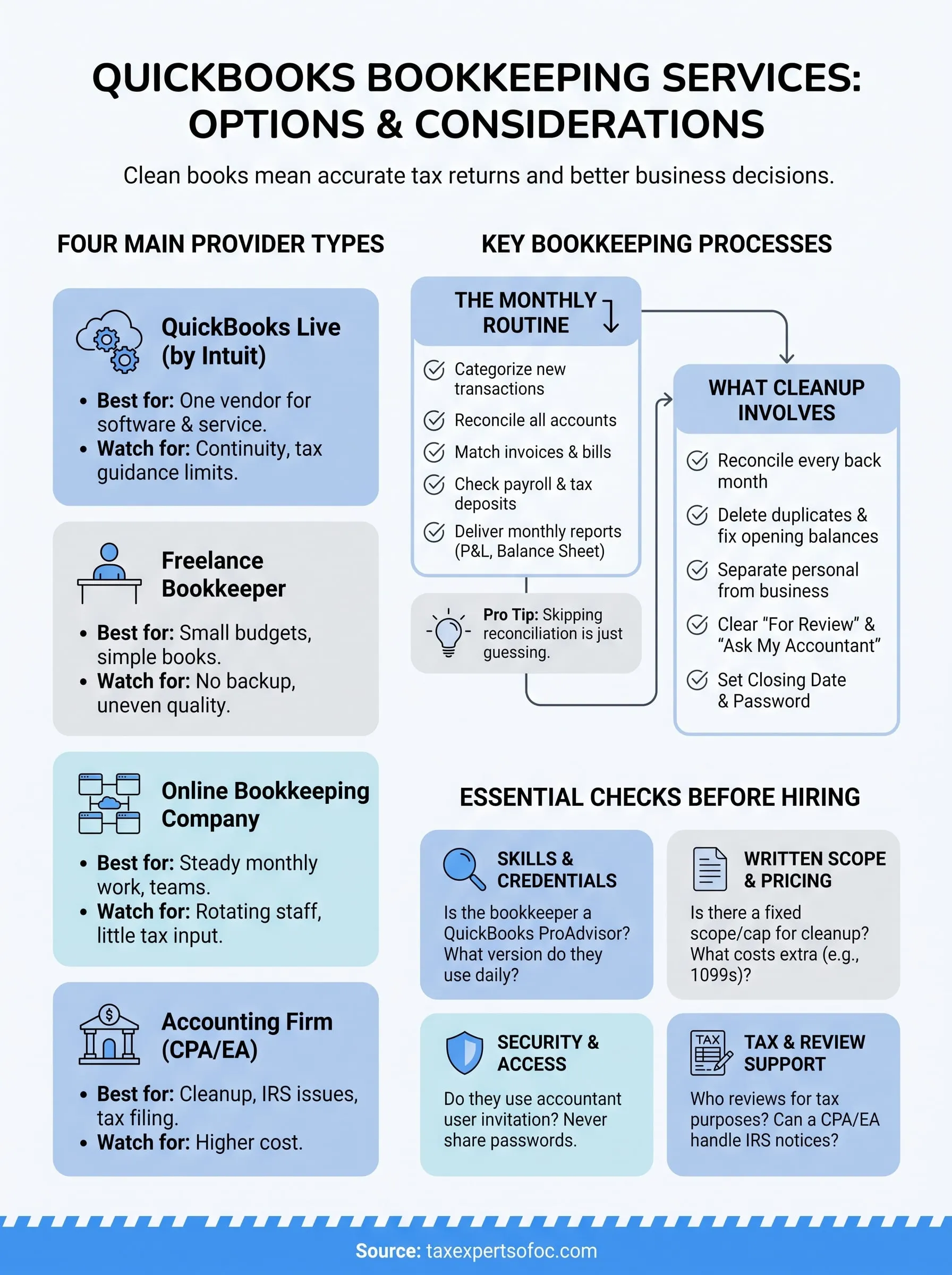
Four kinds of providers handle most QuickBooks bookkeeping services. They differ in who does the work, how much tax knowledge they bring, and how well they know your industry.
QuickBooks Live from Intuit
Intuit sells QuickBooks Live as a done-for-you service. A bookkeeper works inside your file to handle setup, cleanup, and monthly bookkeeping, and you pay Intuit, so the software and the service come from one vendor.
Ask before you sign whether you get the same bookkeeper each month and whether anyone provides a tax review of your books. Bundled convenience is real, but confirm in writing what is included and what is not.
Freelancers and accounting firms
Freelance QuickBooks bookkeepers, often certified ProAdvisors, usually charge less and work flexibly with small budgets, and finding the right bookkeeper near you takes a little vetting. Quality varies widely, and one person means no backup when they get sick or overbooked, so ask who covers for them.
Accounting firms cost more per hour, but they bring CPAs and Enrolled Agents into the process, which is the main appeal of handing your books to an outside firm. That matters if your books feed a tax return, or if you have back taxes, payroll problems, or multi-state filings. A firm can fix the books and the IRS issue in one engagement instead of passing you between vendors.
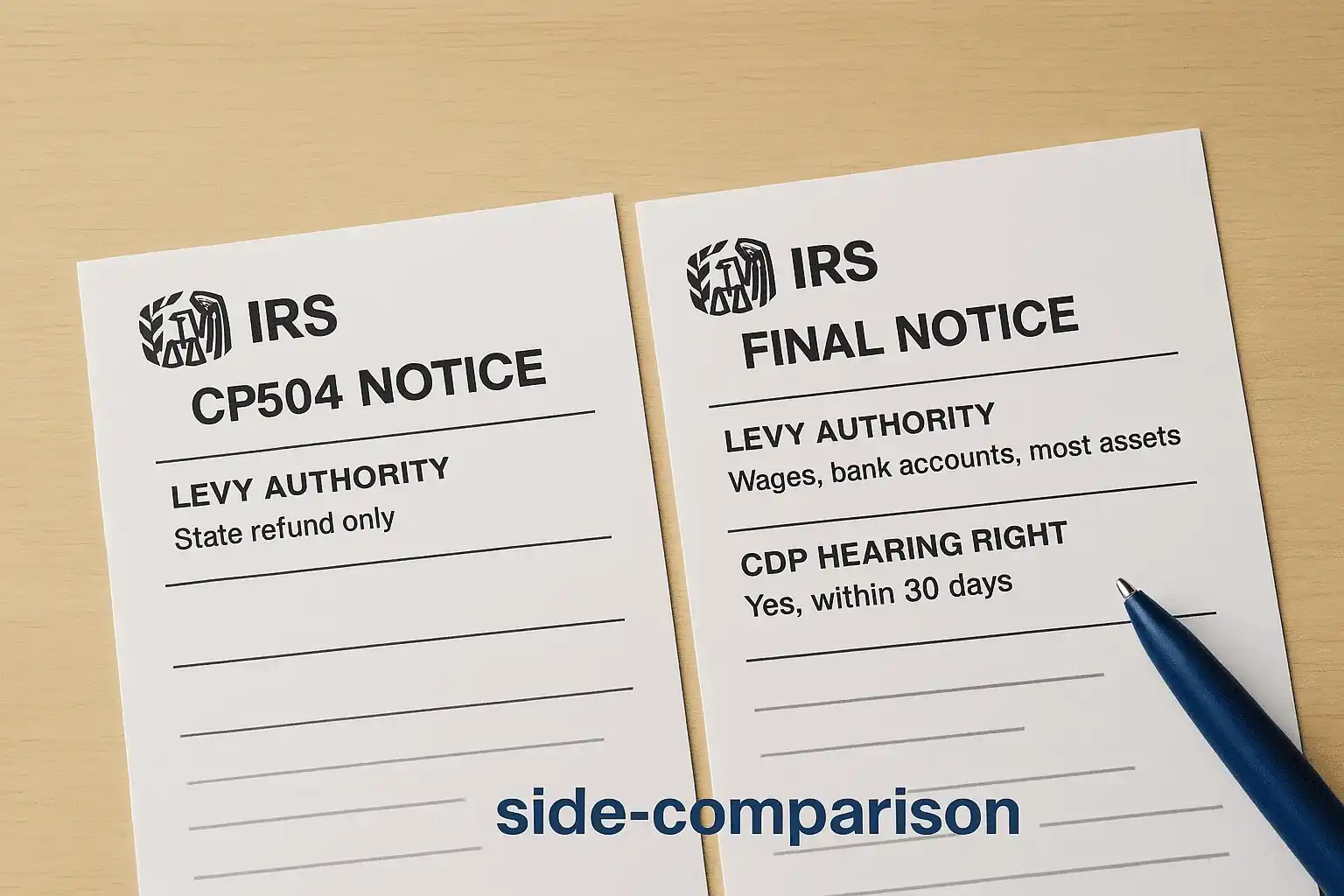
Side-by-side comparison
Use this table to match the option to your situation. Online bookkeeping companies, which run on teams and standard processes, are included because you will see them in search results.
| Option | Best for | Watch for |
|---|---|---|
| QuickBooks Live | Owners who want one vendor for software and service | Bookkeeper continuity, tax guidance |
| Freelance bookkeeper | Small budgets and simple books | No backup, uneven quality |
| Online bookkeeping company | Steady monthly work | Rotating staff, little tax input |
| Accounting firm | Cleanup, IRS issues, tax filing | Higher cost |
Choose a provider by who reviews the work, not just by who enters it.
If your books are clean and your taxes are simple, a freelancer or Intuit's service can be enough. If errors have already reached the IRS, hire the people who can answer the notice.
What QuickBooks bookkeeping services cost
Prices for QuickBooks bookkeeping services vary more than most owners expect. Transaction volume and the condition of your file drive the quote more than anything else. The ranges below are typical market figures, not quotes, so compare them against what bookkeeping services usually cost per month and confirm current rates with each provider.
Typical price ranges
| Option | Typical pricing | How it is billed |
|---|---|---|
| QuickBooks Live | Low hundreds per month for small businesses | Monthly plan set by Intuit |
| Freelance bookkeeper | $30 to $75 per hour | Hourly or flat monthly fee |
| Online bookkeeping company | $300 to $800 per month | Tiered monthly plans |
| Accounting firm | $75 to $150 per hour, or $500 and up per month | Hourly or flat monthly fee |
Intuit sets QuickBooks Live pricing itself and changes it often, so check Intuit's current plan page before you decide. Ask whether the quote includes the QuickBooks subscription and whether it covers cleanup of prior months. Those two answers can change the real price by hundreds of dollars.
What pushes the price up
Several factors move a quote from the low end to the high end. Providers rarely list them up front, so bring them to the conversation yourself:
- Monthly transaction count: 50 transactions and 800 transactions are different jobs.
- Number of accounts: each bank, credit card, and loan account needs reconciling.
- Backlog: every unreconciled month adds hours.
- Complexity: payroll, inventory, sales tax, or multi-state activity raises the rate.
- Review level: CPA or Enrolled Agent oversight costs more than data entry alone.
Cleanup is where surprise bills appear. Hourly cleanup with no cap can run far past the estimate, because nobody knows what is in a file until they open it. Ask for a fixed fee with a defined scope, or at least a cap that requires your approval to exceed.
A cheap monthly plan that excludes reconciliation or cleanup costs more than a higher price that includes both.
How to compare quotes
Get three quotes, give each provider the same facts, and check them against virtual bookkeeping services pricing. Share your monthly transaction count, account list, months behind, and whether you run payroll. Then compare what each quote includes, not just the number at the bottom.
A useful quote names the reports you will receive, the monthly close date, and who reviews the work. If a provider won't put those in writing, treat the low price as a warning rather than a bargain.
What a bookkeeper actually does in your QuickBooks file
Strong QuickBooks bookkeeping services follow a repeatable routine inside your file. Knowing that routine helps you tell real bookkeeping from plain data entry, and it gives you a standard to hold any provider to.
The monthly routine
Every month, a bookkeeper works through the same month-end bookkeeping checklist before closing the period. The most important step is bank and credit card reconciliation, because it proves your QuickBooks balance matches what the bank reports. Here is what a full month includes:
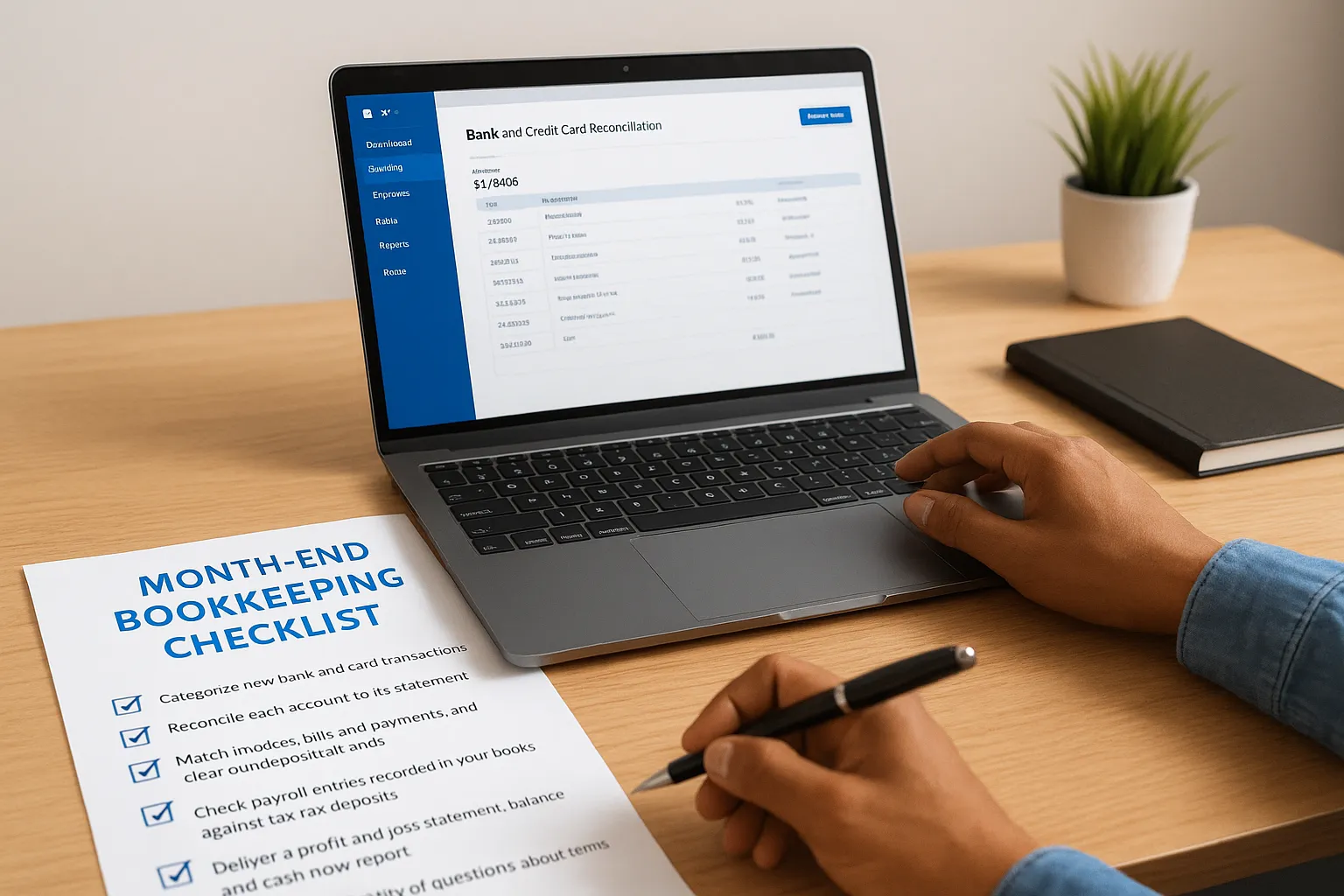
- Categorize new bank and card transactions
- Reconcile each account to its statement
- Match invoices, bills, and payments, and clear Undeposited Funds
- Check payroll entries recorded in your books against tax deposits
- Deliver a profit and loss statement, balance sheet, and cash flow report
- Send you a short list of questions about unclear items
A bookkeeper who skips reconciliation is guessing, not bookkeeping.
What cleanup involves
Cleanup repairs past months so current ones can stay tidy. Expect the bookkeeper to reconcile every back month, delete duplicates, fix opening balances, and move personal spending out of business categories. They also work through the For Review tab and the Ask My Accountant account until nothing is parked there.
When the work ends, you should receive a written summary of changes and a closing date set in QuickBooks. The closing date locks old periods with a password, so nobody edits them by accident.
How to spot-check the work
You don't need accounting training to verify it. Open the Banking tab and confirm that no uncategorized backlog is growing, then pull the reconciliation reports and check that ending balances match your statements. The audit log shows every change and who made it. Reliable QuickBooks bookkeepers welcome this check, and a provider who resists it is telling you something.
Questions to ask before hiring a QuickBooks bookkeeper
Interviews reveal more than websites do. Use the same list with every candidate, whether you are weighing QuickBooks bookkeeping services from Intuit, a freelancer, or a firm. Specific answers signal real experience, and vague answers signal trouble ahead.
Skills and process
Ask how they work, not just what they know. A strong candidate describes their monthly close routine without hesitation and names the reports you will receive. Ask for two references from owners in your industry, and actually call them. Then put these questions to each candidate:
- Are you a QuickBooks ProAdvisor, and how many clients like mine do you serve?
- Which version do you use daily, QuickBooks Online or Desktop?
- What is your monthly close date, and what happens when I send records late?
- Who covers my account if you are unavailable?
Pricing and scope
Money questions prevent surprise invoices. Get a written scope that says whether reconciliation, cleanup, and payroll checks are included, and whether the price is fixed or hourly. Compare every quote against the same answers:
- Does the quote include cleanup of prior months, and is there a cap?
- What costs extra, such as 1099s, sales tax filings, or catch-up work?
- Can I cancel with 30 days' notice, and do I keep my files and data?
- Is the QuickBooks subscription included or billed separately?
If an answer isn't in writing, it isn't part of the deal.
Security and tax support
Your books hold bank data and payroll details, so access rules matter. A professional works through an accountant user invitation and never asks for your password. Also find out who reviews the work for tax purposes, since firms that combine bookkeeping and tax services put a CPA or Enrolled Agent on errors a bookkeeper working alone would miss. Finish with these questions:
- Do you use multi-factor authentication and secure file sharing?
- Can a CPA or Enrolled Agent review my books before I file?
- If the IRS sends me a notice, can you or your firm respond?
- Do you carry professional liability insurance?
Warning signs and common complaints to watch for
Even a well-reviewed provider can be a poor fit for your business. Most problems with QuickBooks bookkeeping services show up early if you know where to look, usually within the first 60 days.
Red flags before and during onboarding
Some warning signs appear before you pay anything. A provider who asks for your password or won't put the scope in writing has already told you how the relationship will go. We also treat these as dealbreakers:
- A fixed price quoted before anyone has opened your file
- A promise to "fix everything" with no scope or deadline
- No reconciliation reports in the sample deliverables
- A long contract with no cancellation window
- No CPA or Enrolled Agent anywhere behind the work
Complaints that come up again and again
Reviews of bookkeeping providers, QuickBooks Live included, tend to repeat the same themes. Rotating bookkeepers mean you re-explain your business every month. Slow answers to simple questions leave transactions in limbo while the close date slips. Read reviews for patterns, not single rants. One angry post is noise, but ten posts about the same problem is a preview.
Another common gripe is the surprise bill. Cleanup runs past the estimate, or a monthly plan quietly excludes 1099s and sales tax. The other big gap is tax guidance. Many bookkeepers don't give tax advice, so your numbers look tidy while nobody tells you your estimated payments are short.
A pattern in the reviews is a preview of your own experience.
What to do if you already hired the wrong person
Switching is easier than it feels, because the QuickBooks file belongs to you, not the bookkeeper. Act quickly, since every month of bad entries adds cleanup hours to the next provider's bill. Follow these steps:
- Run and save your reconciliation reports, profit and loss statement, and balance sheet today.
- Remove the old bookkeeper's user access in QuickBooks.
- Set a closing date after the last month you trust.
- Have a new bookkeeper or a CPA review the file before you file any return.
Picking the right help for your books
QuickBooks bookkeeping services all promise clean books, but they deliver different things. Start with the job you actually have, cleanup or ongoing work, then match it to a provider who can do it. Intuit's QuickBooks Live, a freelancer, and an accounting firm each fit a different situation, and the written scope matters more than the price.
Once you have a shortlist, ask the hard questions, call references, and spot-check the first month's reconciliations. Your books feed your tax return, so who reviews the work counts as much as who enters it. Catch problems in the first 60 days, and switching stays cheap.
If your books are behind, or an IRS notice has already arrived, talk to people who handle both sides. Tax Experts of OC has a CPA and Enrolled Agent who work with clients in all 50 states. Book a free 30-minute consultation for CPA-led bookkeeping, QuickBooks setup, and cleanup and get a straight answer on what your books need.